Typical job
Residents notice a bald-faced hornet nest attached
The crew assesses the reported nest and its location, then explains the appropriate treatment approach. Keep people away from the area while arranging professional assessment.
General Pest Control · Cornwall-on-Hudson, NY
Storm King Mountain access brings visitors through Cornwall-on-Hudson, while nearby homes include older wood-frame properties that need careful inspection around openings and storage areas. We check the building, not just the pest.
Our team serves Cornwall Landing and the rest of Cornwall-on-Hudson, matching inspections and treatments to the property and the activity reported. Hudson Valley temperature swings change seasonal pest activity, so we consider what is happening now and where pests may be entering. Long Island's milder coastal winters can extend pest activity there; Cornwall-on-Hudson customers should instead plan for the conditions in their own homes and buildings. Hudson Highlands State Park is a distinct local landmark, and its name is not a treatment boundary: our service is for properties in Cornwall-on-Hudson. A quick inspection can distinguish an active pest problem from old signs. We explain what we find and the next steps before treatment begins. Call (877) 729-2528 to discuss service in Cornwall-on-Hudson. Our dispatch team routes requests to the appropriate New York service coverage.
Cornwall-on-Hudson Public Library is one familiar local landmark; nearby properties include older village homes where small gaps at foundations and utility openings can complicate pest checks. Freeze-thaw cycles can open cracks in foundations and masonry, so our inspection looks for entry points as well as visible activity. High summer humidity can also make moisture pests such as silverfish more likely in damp areas; checking for moisture helps guide the plan.
NewYork Pest Solutions has served Cornwall-on-Hudson for more than 11 years. Our team coordinates arrival with property owners, explains what we inspect, and describes treatment and preparation before work begins.
We respect occupied spaces and record findings in a service report. Nor’easters can interfere with access and scheduled visits, so we coordinate timing with customers when conditions affect a visit. Call (877) 729-2528 to discuss a property or arrange an inspection.
Tiny black droppings beneath a kitchen sink call for an inspection before cleaning hides their location. Autumn cooling can draw mice indoors through small openings; our crew checks the cabinet, nearby pipes, and accessible foundation edges.
You can look for gaps around the sink plumbing without reaching into them. Cornwall-on-Hudson Village Hall is a local reference point, while our service visits focus on the specific property and its access.
Spring rain can leave standing water where mosquitoes breed, so our team checks containers and other water-holding spots around the property. A safe self-check is to empty water from outdoor containers.
During summer heat, fruit flies and drain flies may appear indoors; note where they gather and whether a drain is nearby before we inspect. For Cornwall-on-Hudson, NY, we coordinate access and explain the recommended work after identifying the pest.
Historic clapboard houses and stone foundations on hillsides can create different inspection needs in Cornwall-on-Hudson. At Riverbank Park, the river setting is part of local life; at a home, our crew checks the specific foundation, siding edges, and accessible utility openings rather than assuming every property has the same entry points. A simple check is to look from outside for visible gaps without disturbing the structure.
Warm, humid summers favor ants and cockroaches, so pantry and kitchen inspections matter when activity appears. For restaurants, our commercial pest control work can focus on food storage, sanitation, and places pests may hide; property owners can note where activity is seen before the visit.
Boric acid is one possible treatment material, but we select products and placement according to the pest and site conditions. Storm King Mountain is a local landmark, not a proxy for any property’s risk.
Before treatment, we confirm the pest species; a droppings photo or a description of where activity occurs can help, but identification should be verified at the property. The Cornwall-on-Hudson Public Library is a local landmark, not a source of pesticide approvals.
FIFRA label directions and restrictions govern how a pesticide may be used; the label is not optional advice. The Association of Structural Pest Control Regulatory Officials provides a reference for understanding how structural pest rules are administered.
We explain the planned treatment and relevant safety directions before work, then document the service. Ask us about a Cornwall-on-Hudson property’s treatment plan at (877) 729-2528.
Why us
Get a clear picture of the work before treatment begins.
A technician checks the activity and confirms the pest before choosing treatment. You hear what was found, where it is happening, and which options fit the building and the agreed scope.
The team explains treatment steps and follow-up recommendations in everyday terms. For commercial sites or multi-unit properties, scheduling can account for building access, tenant needs, and site demands.
Our process
The visit moves from understanding the concern to documenting the plan.
Tell the team what you have noticed, where activity appears, and any access limits. This gives the technician useful context and helps prepare for the inspection.
The technician checks accessible areas for pest activity and contributing conditions, then confirms the species before selecting treatment. You get an explanation of the findings.
The crew reviews the proposed treatment and affected locations with you before work begins. You can clarify access needs and understand what the visit covers.
The technician carries out the agreed work, records findings and treatment locations, and shares follow-up recommendations. You leave with clear guidance on what to watch for and any precautions.
Warning signs
Small wings near windows can signal flying insects entering or gathering indoors. Check window sills and nearby light fixtures, and note where the remains appear. Sharing those locations helps a technician narrow the inspection without disturbing possible evidence.
Fine webbing on stored items can point to insect activity in cupboards or storage areas. Look along package seams and shelf corners, and keep affected items separate. Avoid applying pesticides before the pest is identified, since the right response depends on the species.
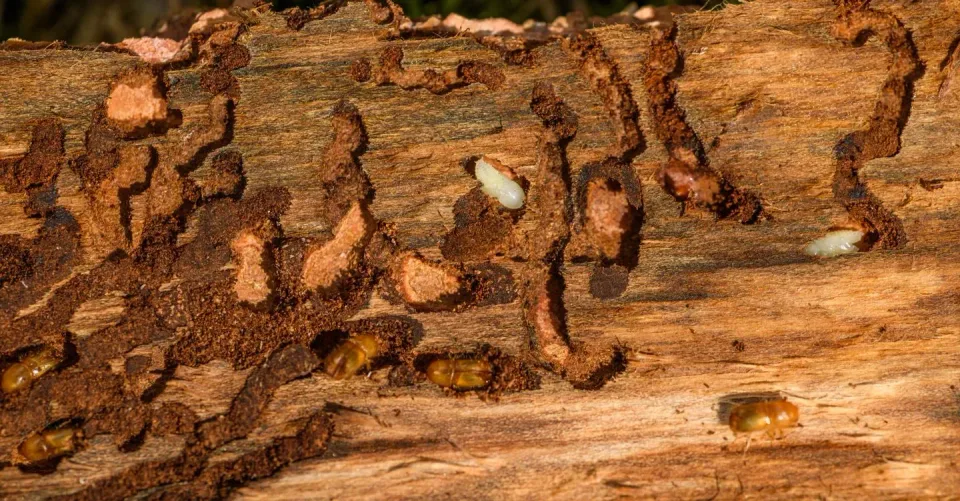
Shed insect skins may collect along quiet edges, in closets, or near stored belongings. Their presence can indicate pests are developing nearby, even when live insects are not visible. Note the location and leave specimens in place for the technician to assess.
Through the year
Spring
Heavy rain runoff on sloped properties can change where insects seek shelter, while thawing conditions may reveal entry points. An inspection can identify activity and openings early, then match treatment to the confirmed pest and the building.
Summer
Humid Hudson Valley summers can make indoor and outdoor pest activity more noticeable. Check around utility openings and building edges, and arrange an inspection when signs appear so the crew can identify the pest and discuss a fitting scope.
Fall
As temperatures shift, pests may seek protected spaces in buildings. Review basements, storage areas, and utility penetrations for activity, then ask a technician to assess what is present and explain practical treatment and follow-up options.
Winter
Cold, snow, and ice can make sheltered indoor areas especially important to monitor. Keep access to sinks, baseboards, and utility openings clear for inspection, and have recurring activity assessed rather than relying on repeated DIY pesticide use.
Before you hire
Ask which qualifications and safety practices apply to your service so you understand who will handle the treatment and what standards guide it.
Technicians may need clear access to sinks, baseboards, and utility penetrations to inspect or treat relevant areas. Ask what to move or leave in place, and whether tenant coordination is needed, before the crew arrives.
Written terms can explain the service period, included visits, cancellation rules, and how additional work is handled. Review them before agreeing so you know what commitments apply and how to raise questions about recommendations or future service.
Call to talk through your job in Cornwall-on-Hudson.
11+
Years serving Cornwall-on-Hudson
159
Areas served
Straight answers for customers in Cornwall-on-Hudson on pricing, delivery, and scheduling.
Pricing depends on scope and rental duration. Call (877) 729-2528 for a quote tailored to your job site or event.
Many orders qualify for same-day or next-day delivery when scheduled early. Call to confirm availability for your address.
We cover Cornwall-on-Hudson and surrounding communities. Check the service areas section or call to confirm delivery to your location.
Have your site address, event dates, expected headcount or debris volume, and access details ready. We will walk you through sizing and scheduling on the call.
Licensed waste haulers and insured operators serve Cornwall-on-Hudson. Ask about credentials when you call if you need documentation for your project.
General Pest Control covers every ZIP code in Cornwall-on-Hudson, NY.
NewYork Pest Solutions
"Clear Plans for New York Pest Control"
I started in pest control working in New York City apartment buildings, where I learned how pests move through basements, shared walls, and utility openings. I built this company to pair careful inspections with practical treatment plans suited to New York’s older buildings, changing seasons, and statewide service needs.
Share job details below or call our team directly. Phone: (877) 729-2528
General Pest Control is also available in these nearby communities.