General Pest Control · Kingston, NY
General Pest Control in Kingston, NY: Clothes Moths, Silverfish & Centipedes
Kingston’s Stockade District architecture includes older buildings where pest checks need to account for more than one entry point. Our crew serves Wilbur, Atwood, and other Kingston neighborhoods with inspection-led General Pest Control suited to local properties.
- Serving since 2015
- New York State DEC pesticide applicator certification for regulated work
- EPA pesticide label and safety training
- General liability and workers’ compensation coverage
- Serving since 2015
- New York State DEC pesticide applicator certification for regulated work
- EPA pesticide label and safety training
- General liability and workers’ compensation coverage
Seasonal pest activity changes with Hudson Valley temperature swings. A warm spell can bring activity forward, while a sudden cool period may change where insects and rodents are noticed; we check current conditions rather than relying on a calendar alone. Lake-effect snow affects Buffalo, Rochester, and Syracuse, but Kingston customers should plan around local conditions, not assume those cities’ snowfall patterns apply here. Long Island’s milder coastal winters may extend pest activity there; that comparison is a reminder that treatment timing should fit the actual property and climate. We inspect the rooms, entry gaps, and conditions connected to the reported activity, then explain what we found and what treatment or correction makes sense. Our team coordinates arrival and respects occupied spaces. No guesswork. Call (877) 729-2528 to discuss General Pest Control in Kingston, including service in 12401 and 12402.
Who Handles Pest Control in Kingston, NY?
NewYork Pest Solutions serves Kingston with inspections shaped by local buildings and seasons. Near the Hudson River Maritime Museum, a property’s conditions matter: autumn cooling can move mice through small openings, so our team checks likely access points instead of treating only the room where activity appeared. Spring rain can leave standing water that supports mosquito breeding; we help customers identify and address water-holding spots around the property. Fall stink bugs may gather on sunny exterior walls, making a wall-side check useful before they find indoor gaps.
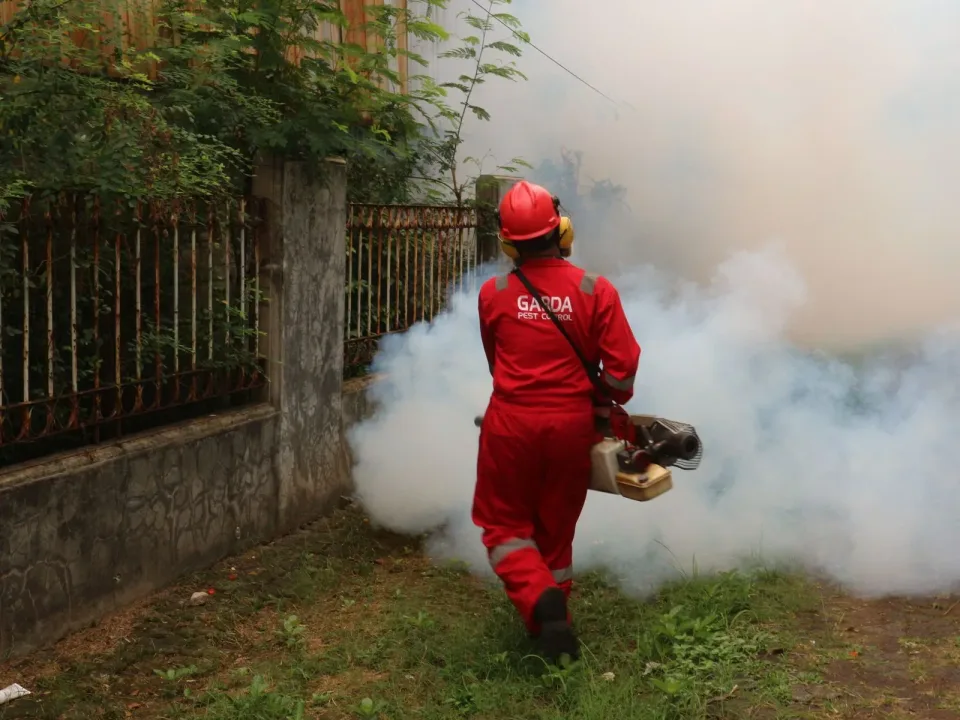
Daniel Morales’s crew brings more than 11 years serving Kingston and experience with pests moving through shared walls, basements, and utility openings. We arrange access, inspect first, explain the plan, and carry out treatment with care for residents and property. You can call (877) 729-2528 to coordinate a visit.
Common Pest Jobs in Kingston Homes
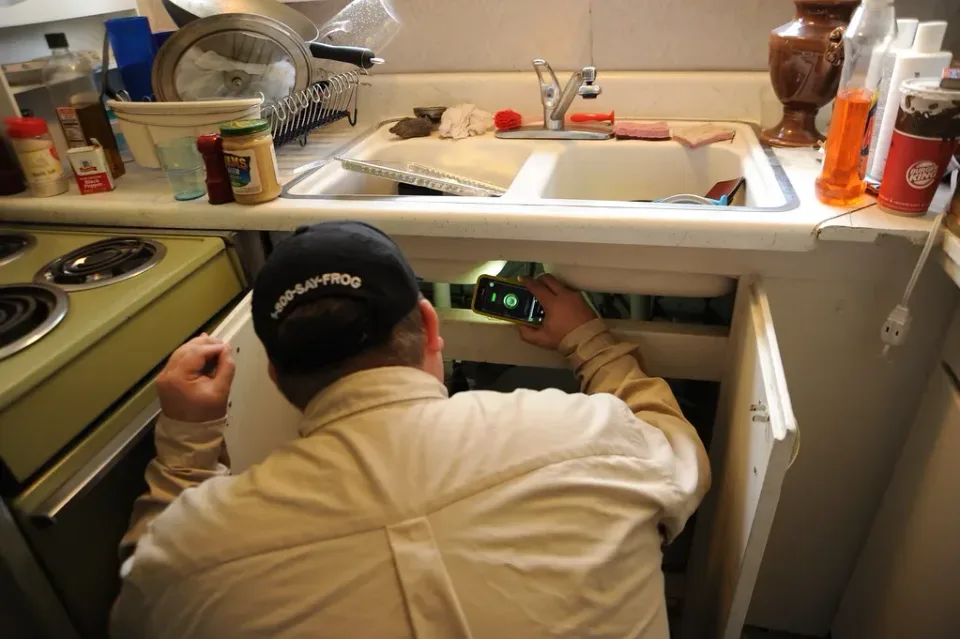
We match the inspection and treatment to the pest and the building. Warm, humid summers can encourage ants and cockroaches, so if you see live roaches near an appliance, our crew checks nearby gaps and hiding places; you can safely look for crumbs or moisture around the appliance without moving it. High summer humidity can also favor silverfish and other moisture pests, so we check damp areas and ask customers to note where sightings recur. Heavy snowfall can obstruct exterior bait stations, so our team checks whether stations remain accessible rather than assuming they are working as intended.
At a stone colonial or nineteenth-century brick building near Senate House State Historic Site, the inspection can include cracks and sheltered edges. Adirondack winters bring prolonged freezing conditions, but they are not a substitute for checking Kingston’s actual property conditions. We serve Kingston ZIP codes 12401 and 12402; call (877) 729-2528 to arrange a visit.
How to Plan Pest Visits Around Kingston Conditions
A Kingston pest visit starts with the property’s access and moisture conditions. Coastal storms can flood basements and crawlspaces, so after water enters, check for standing water and tell our team which areas are accessible; treatment planning should account for damp spaces and safe entry. Near the Rondout Lighthouse, our crew can discuss the specific property rather than assume every building has the same exposure.
Nor’easters can disrupt scheduled visits, so we coordinate arrival when travel or site access is affected and confirm entry arrangements with the customer. For food businesses, Restaurant Pest Control should consider sanitation and monitoring alongside any treatment; a clean, accessible work area helps us inspect effectively.
Boric acid is a pesticide ingredient, not a general-purpose cleaning powder, and our team selects and applies products according to the job and label. Call (877) 729-2528 when a Kingston property needs an inspection or service plan.
Which Kingston Neighborhoods Do We Serve?
Our Kingston coverage includes six named neighborhoods, with each visit planned around the property. In Wilbur, we can inspect the reported rooms and accessible exterior edges before recommending treatment. In Atwood, our team asks where activity appears and checks nearby openings rather than treating from a sighting alone. In Rondout, customers can point out recurring pest locations so we can connect them to likely harborage or access conditions.
In Hillside, we coordinate entry and explain what residents should expect during service. In Rolling Meadows, we inspect the affected areas and discuss practical sanitation or exclusion steps where relevant.
In Lapla, the same measured process applies: identify the pest, inspect the conditions, and explain the next step. “General pest control” describes a service approach, not a promise to treat every pest without identification.
The Association of Structural Pest Control Regulatory Officials is an industry organization; it does not replace a Kingston property inspection. Call (877) 729-2528 to coordinate a Kingston visit.
Why us
Local General Pest Control in Kingston, NY
Get a clear plan shaped around your building, access needs, and pest activity.
Scope Agreed First
A technician explains the findings and proposed treatment before work begins, so you can understand the scope. The plan is based on confirming the pest species, rather than choosing a treatment before identifying the problem.
Clear Site Coordination
The team coordinates inspections and treatments around building access, tenant needs, and commercial site demands. Technicians explain treatment steps and follow-up recommendations in plain language, helping everyone understand what to expect.
Our process
How a visit works
The crew checks the pest activity, explains the plan, and records what was done.
Inspect and Identify
A technician examines relevant areas and confirms the pest species before selecting treatment. You get an explanation of the findings and which locations are part of the proposed work.
Explain the Plan
The technician reviews treatment steps, access needs, and label-related precautions before proceeding. You can ask what the work covers and what to expect while treatment is underway.
Record Recommendations
The crew documents findings and treatment locations, then shares follow-up recommendations. You leave with a clear record of the work and guidance on reporting recurring activity before trying additional DIY pesticides.
Warning signs
Early Pest Warning Signs
Webbing in Dry Goods
Fine webbing or clumped food in a cupboard can point to pantry pests. Check stored grains and other dry goods, and note which packages show activity. Early identification helps a technician narrow down the source during an inspection.
Shed Insect Skins
Shed insect skins along closet edges or beneath stored belongings may signal activity nearby. Save a clear description of where you find them and avoid moving monitoring devices without technician guidance, so observations remain useful.
Repeated Drain Flies
Small flies repeatedly appearing near a floor drain can indicate activity around a damp drain area. Note where they gather and whether the issue returns after ordinary cleaning; that detail can help guide an inspection.
Through the year
General Pest Control Through the Year
Spring
Freeze-thaw cycles can leave gaps around foundations and utility openings as materials shift. A spring inspection can help identify access points and emerging pest activity, giving the crew specific locations to assess and discuss with you.
Summer
Warm Hudson Valley conditions can bring more insect activity around buildings and outdoor entry points. General pest control can assess activity near doors, foundations, and service openings, then clarify which areas need treatment or monitoring.
Fall
As temperatures cool, pests may seek shelter in basements, wall voids, and utility spaces. An inspection can check those interior routes and the building exterior, helping identify access concerns before indoor activity becomes harder to track.
Winter
Snow and repeated freeze-thaw weather can complicate access to exterior areas while pests remain active indoors. A winter visit can focus on accessible interior spaces, document findings, and note exterior areas to revisit when conditions allow.
Before you hire
Questions to Ask Before Hiring
Who will perform regulated pesticide work?
Ask who is responsible for that work and how the provider confirms the appropriate certification, so you understand who will handle treatment at your property.
How is the service schedule arranged?
Ask how inspection and treatment timing is coordinated with building access, tenant needs, and commercial site demands. A clear scheduling discussion helps you plan access and let affected occupants know when areas may need attention.
What does the proposed work include?
Ask which areas will be inspected or treated and whether the plan includes written findings or follow-up recommendations. A defined scope makes it easier to understand what the visit covers and what falls outside it.
What access should I prepare?
Ask which areas need to be clear before the technician arrives. Access to sinks, baseboards, and utility penetrations can help the crew inspect relevant locations, while advance notice lets you prepare tenants or staff.
Are there contract terms to review?
Ask whether the proposed service involves a contract, what its term covers, and how changes or follow-up visits are handled. Reviewing those details first helps you understand your obligations and how the service arrangement may continue.
Ready to get started?
Call to talk through your job in Kingston.
11+
Years serving Kingston
68
Areas served
General Pest Control FAQs in Kingston, NY
Straight answers for customers in Kingston on pricing, delivery, and scheduling.
What should I do about droppings beneath my kitchen sink?
Avoid sweeping or handling droppings bare-handed. Note where you found them, check whether the cabinet contains food or water leaks, and keep pets away from the area. Our crew can inspect the cabinet and nearby openings at your Kingston property, including homes in Rondout or Wilbur.
How do you plan a pest visit for an older Kingston building?
We ask about the reported pest and access needs, then inspect relevant rooms and entry points before explaining the plan. Stone colonial and nineteenth-century brick buildings can have different gaps and sheltered edges, so our team checks the actual property rather than assuming one treatment fits every home.
ZIP Codes We Serve in Kingston, NY
General Pest Control covers every ZIP code in Kingston, NY.
Meet Your Local Experts
Daniel Morales Lead Expert
NewYork Pest Solutions
"Clear Plans for New York Pest Control"
I started in pest control working in New York City apartment buildings, where I learned how pests move through basements, shared walls, and utility openings. I built this company to pair careful inspections with practical treatment plans suited to New York’s older buildings, changing seasons, and statewide service needs.
Get a General Pest Control Quote in Kingston, NY
Share job details below or call our team directly. Phone: (877) 729-2528
Service Areas Within 30 Miles of Kingston
General Pest Control is also available in these nearby communities.